ABOUT US
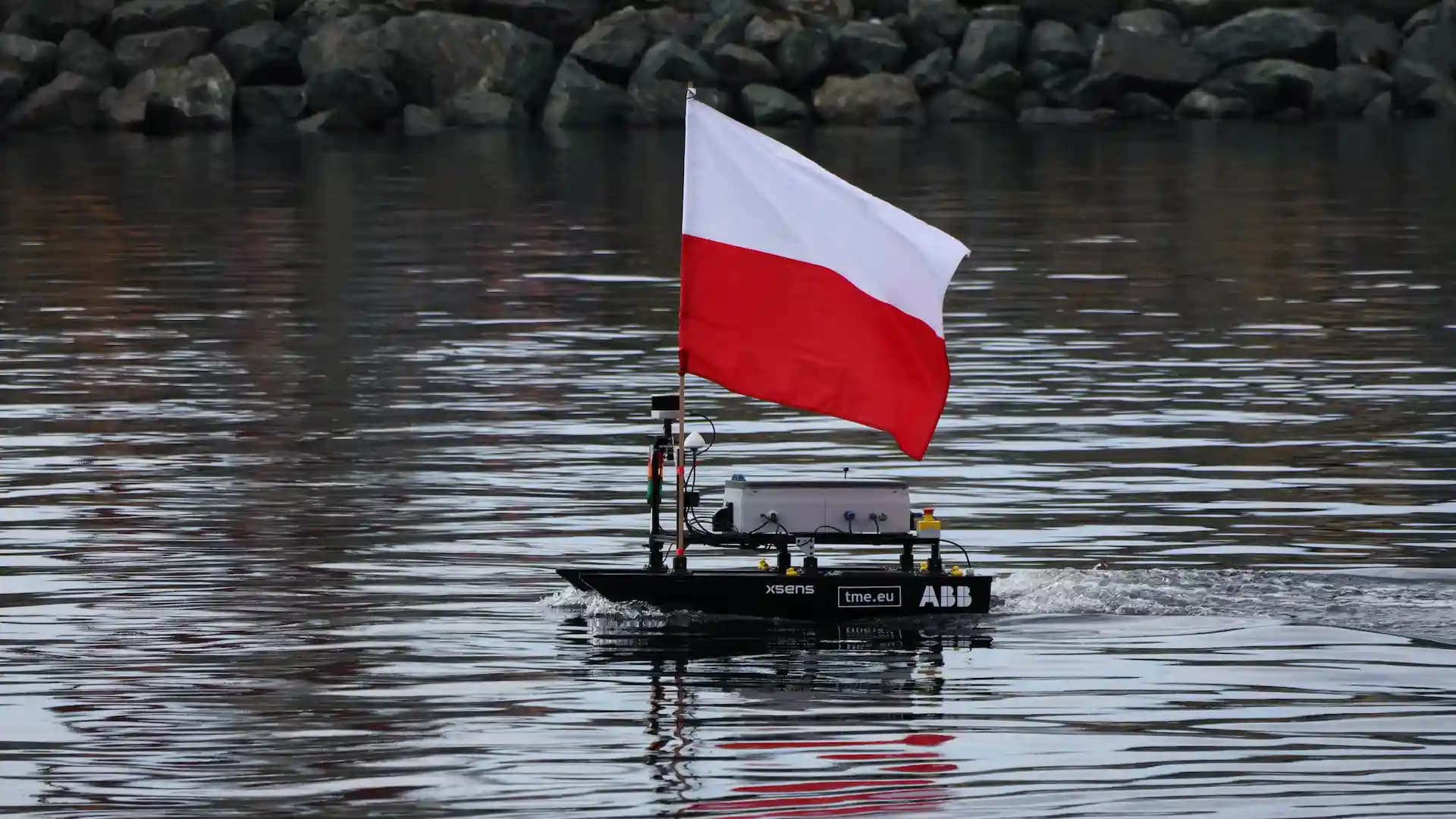
We design, build and race Barka.
Who are we?
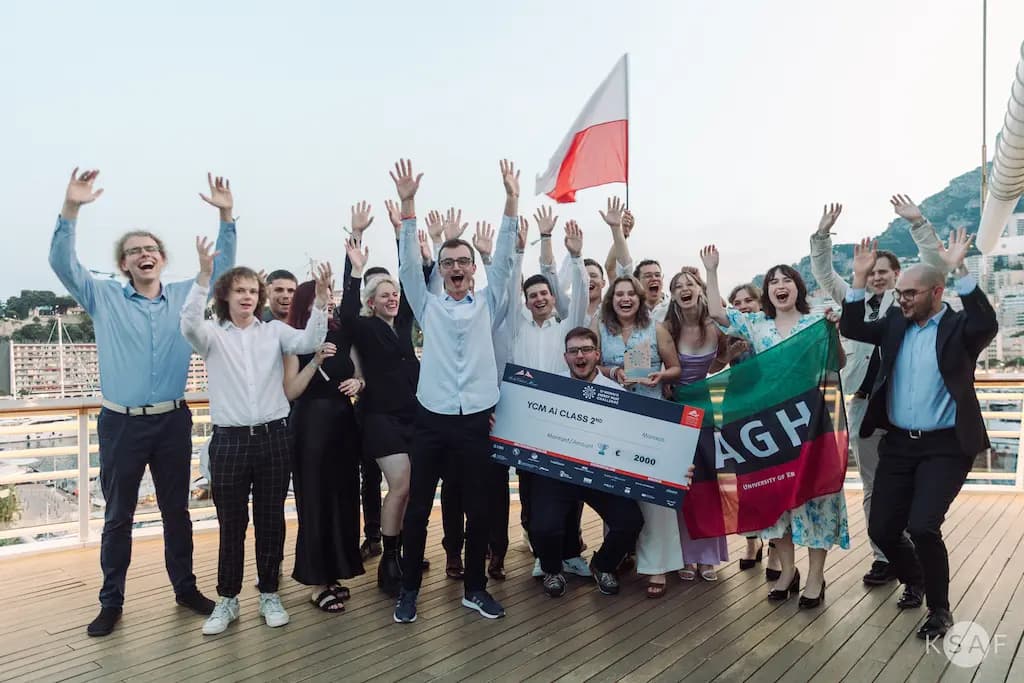
Initially founded to advance zero-emission electric boating, the AGH Solar Boat Team is a student-led collective from AGH University of Science and Technology in Kraków. We combine careful planning, robust engineering and countless late-night builds to push the boundaries of marine autonomy.
Why autonomy?
Our focus on autonomy began in 2022 with R.O.B.U.R., driven by the belief that intelligent autonomous vessels can support environmental protection. This vision evolved into Barka - a system designed around autonomy from day one. Success at Roboboat 2023 and 2024 confirmed that autonomy is not an experiment, but a proven competitive advantage.
PROJECT VIDEO
See Barka in action.
INITIALIZING SYSTEMS...
TECHNOLOGY
Explore Barka.
Click the hotspots to learn about our tech.
Technical Insights
How Barka is tested.
From workshop checks to real-world lake trials.
Simulation Tests
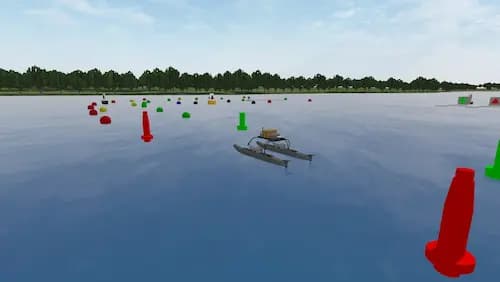
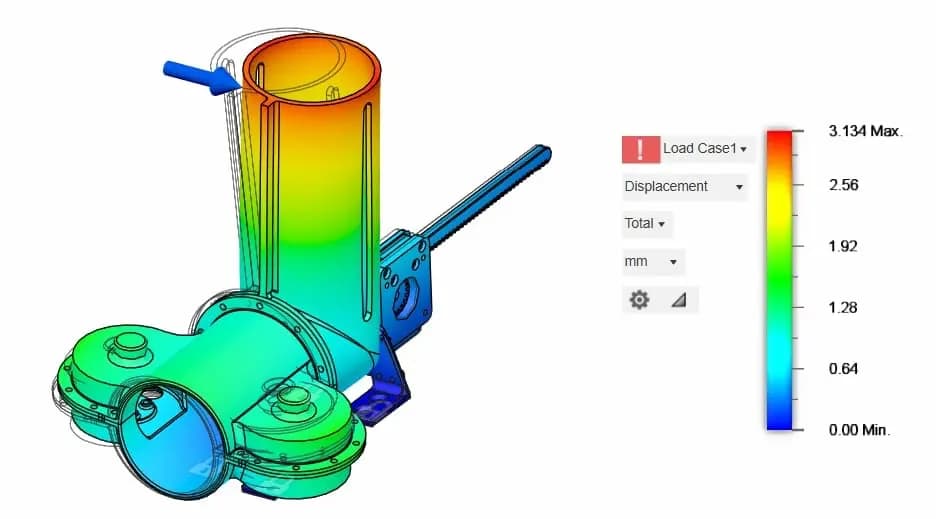
A dual-platform validation strategy designed to refine software logic and control stability before physical implementation. The VRX environment in Gazebo is utilized to test high-level autonomous functions and detection processes, maximizing on-water efficiency. Concurrently, MATLAB simulations focus on control algorithms, validating the vessel's ability to maintain trajectory and compensate for external disturbances like wind and waves.
- VRX & Gazebo environment
- Control algorithm validation
- Disturbance compensation logic
Dry tests
Hardware validation performed in the workshop to ensure components are properly set up prior to water deployment. The process spans from individual checks of key sensors (LiDAR, Jetson) and mechanical systems (nozzle, ball shooter) to full system activation. This phase verifies signal transmission from radio to thrusters and dry-runs essential autonomous behaviors like object detection and waypoint navigation.
- Component & mechanism verification
- Signal transmission integrity
- Dry-run logic validation
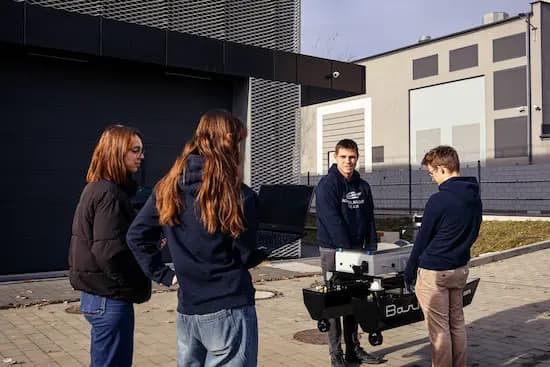
Water Tests
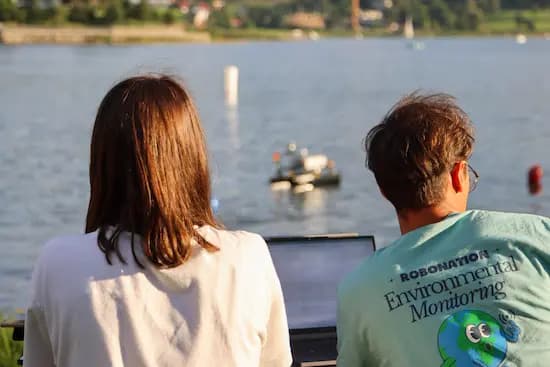
Full-scale field testing conducted at local lakes (Bagry and Zakrzówek) to mirror actual competition conditions. Using custom-built infrastructure including: buoys, placards, and a styrofoam dock. The team validates performance across specific tasks like Docking and the Navigation Channel. This phase also facilitates the creation of comprehensive datasets to further train and optimize object detection models.
- Real-world scenario validation
- Task-specific infrastructure
- Dataset generation & model tuning
SYSTEM OVERVIEW
System Architecture.
Inspect the hardware and software layers of the autonomy stack.
Layer 0: Hardware Drivers
Primary interface for hardware communication and actuator control
Active logic
Layer 0 acts as the essential bridge between high-level and low-level software. It utilizes specialized wrappers to manage high-throughput data from the ZED camera and Hesai LiDAR while employing a custom CAN driver to handle motor control and peripherals like the water pump and ball gun. By integrating GNSS data with RTK corrections, this layer ensures all sensors and actuators are synchronized with the high-precision positioning needed for accurate navigation.
TEAM
Behind every successful project, stands an army of amazing people.
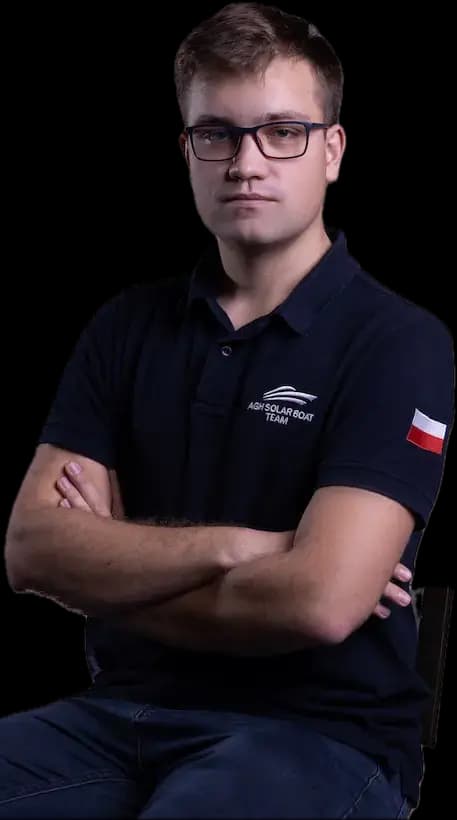
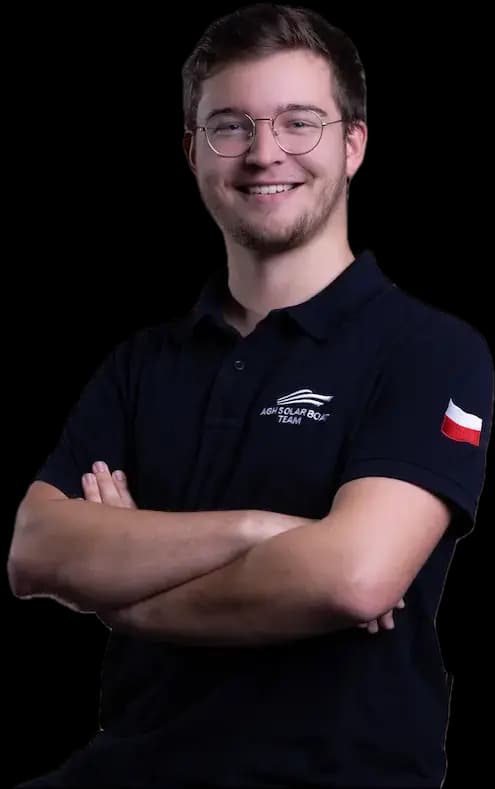
Dawid Stęposz
Electrical Team Leader
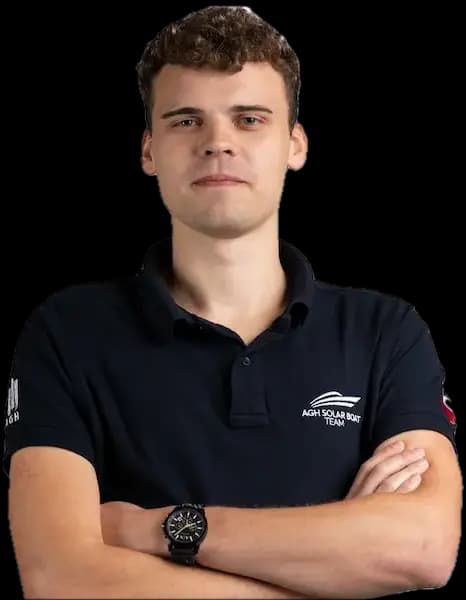
Hubert Kraj
Electrical Team Leader
Krzysztof Furtak
Electrical Team Member
AWARDS
Our Achievements.
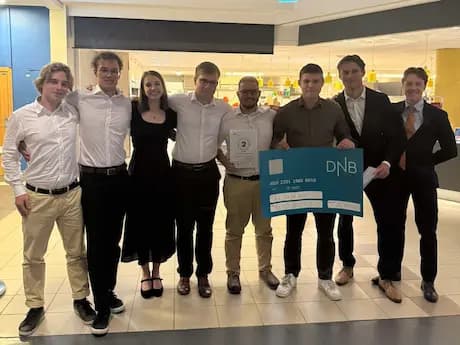
The Autonomous Ship Challenge Njord
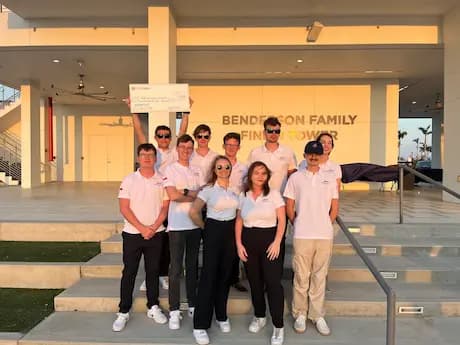
RoboBoat
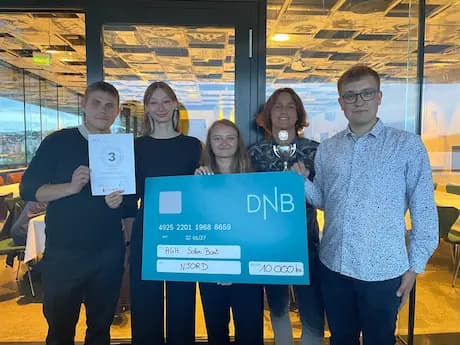
The Autonomous Ship Challenge Njord
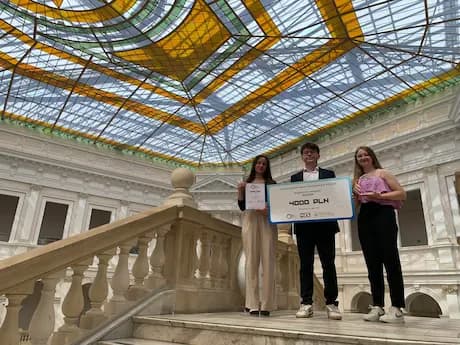
KOKOS
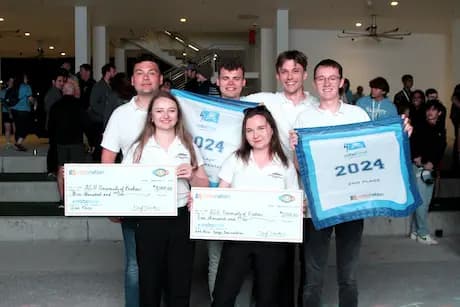
RoboBoat
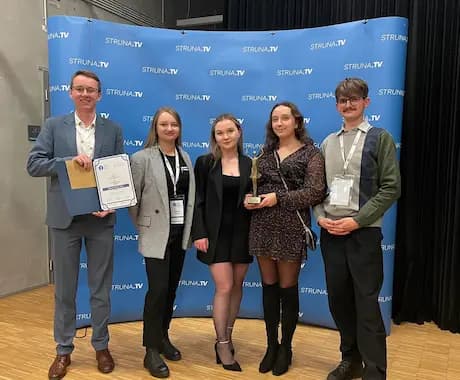
Struna Tech
PARTNERS
Supported by industry and academia.
Collaboration that makes engineering possible.







Our partners support us with knowledge, technology and resources, enabling rapid prototyping, extensive testing and continuous development of autonomous systems.